
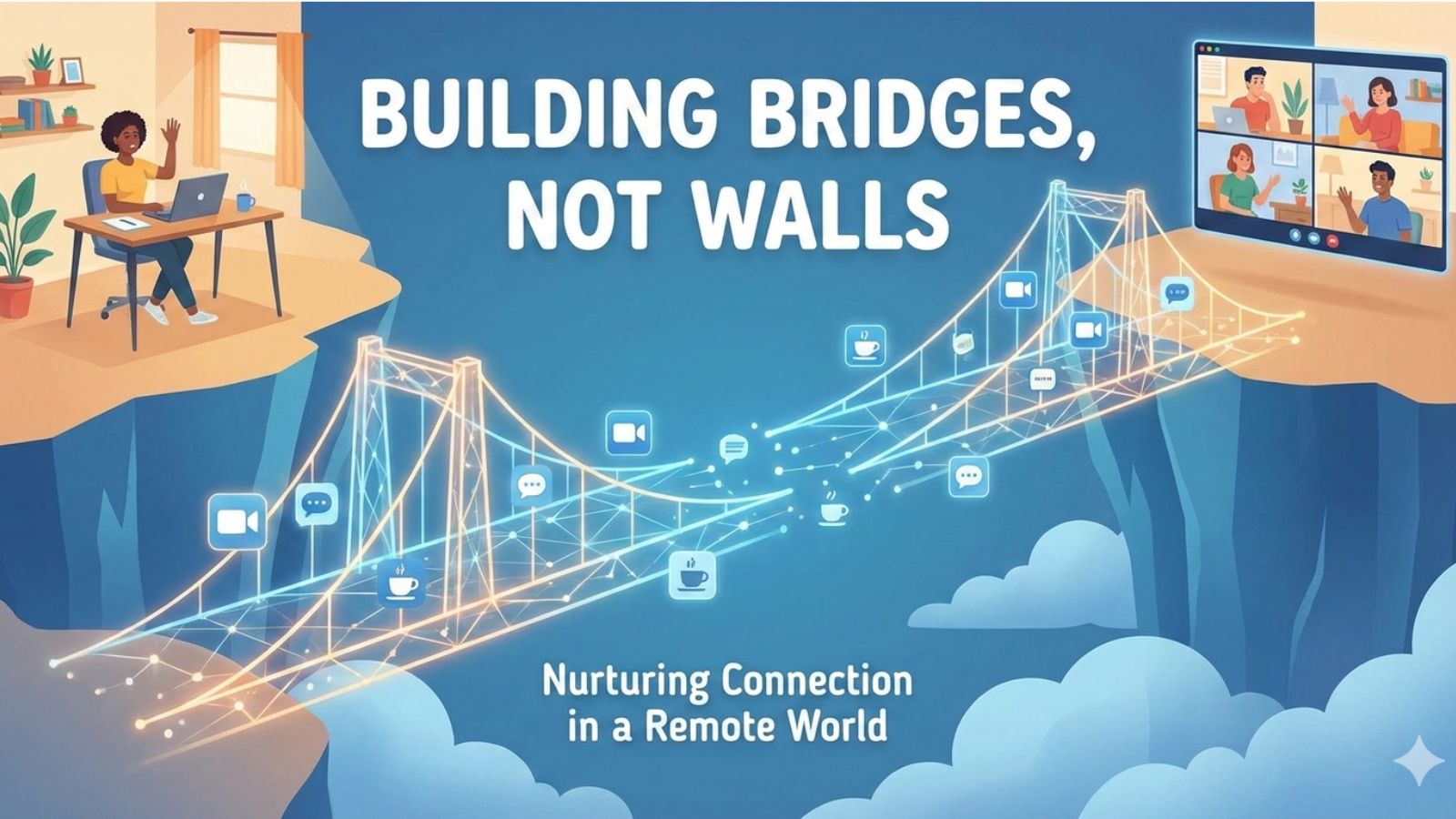
The shift to remote work has brought undeniable benefits - flexibility, increased productivity, and a wider talent pool. However, it has also introduced challenges, particularly around communication. Without the natural flow of conversation and water-cooler moments that occur in a physical office, fostering a sense of connection and open communication can feel like building bridges across a vast distance.
But fear not!
Here are some effective strategies to bridge the physical gap and create a thriving remote work environment:
Let's face it, remote work can feel isolating. Here's how to combat loneliness and build a sense of connection:
Building strong relationships is key to open communication. Here are some ways to bridge the gap:
By implementing these strategies, you can create a remote work environment that fosters open communication, combats loneliness and builds strong relationships. Remember, strong communication is a two-way street. By actively listening, encouraging honest feedback, and creating a safe space for open dialogue, you can build bridges, not walls, and empower your remote team to succeed.
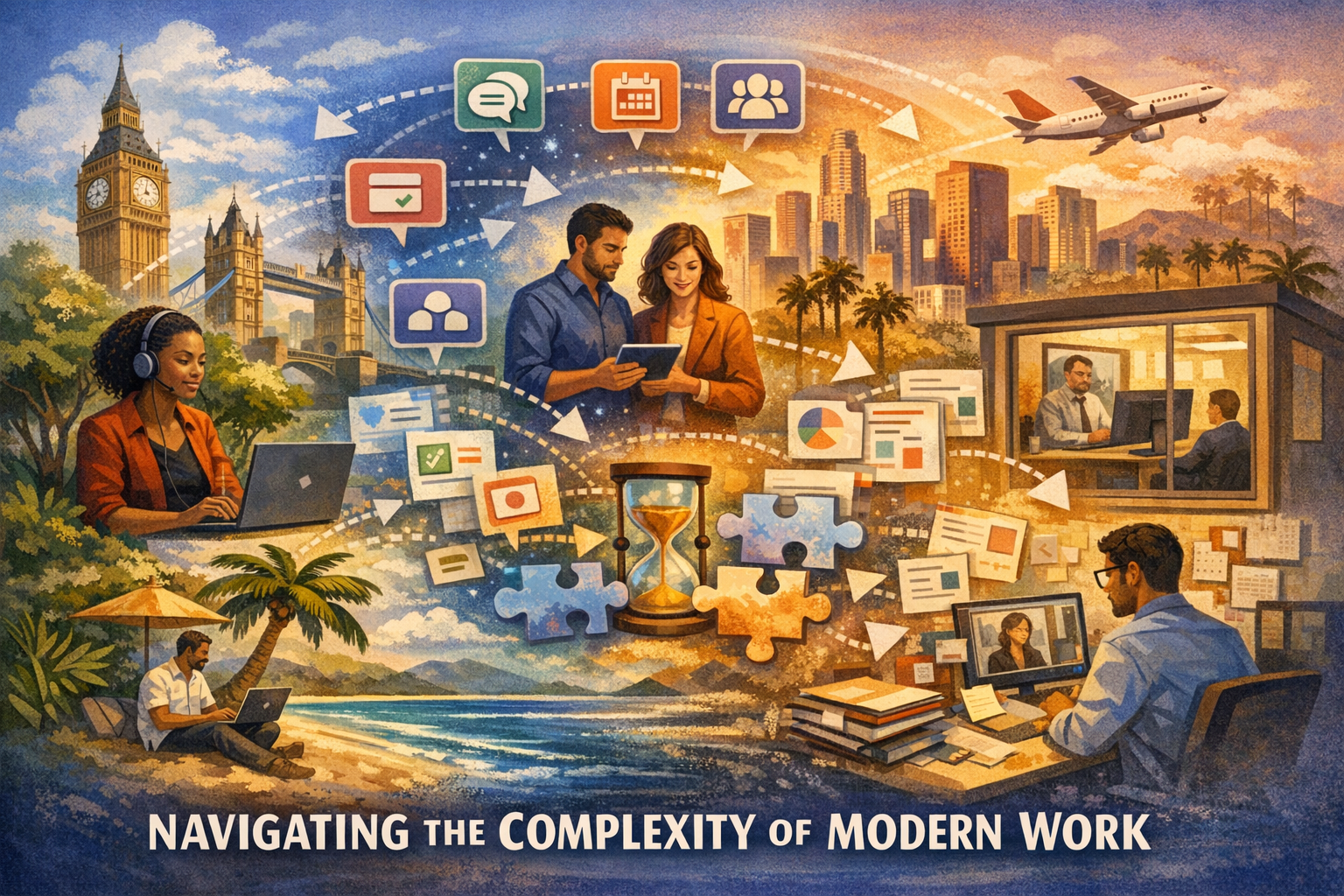
Fragmented tools are quietly killing distributed team productivity. Organizational design strategist Michael Franco, founder of Quokka Hub, shares how centralized platforms deliver measurable improvements in work-life balance, communication, and team connection without micromanagement or forced engagement.
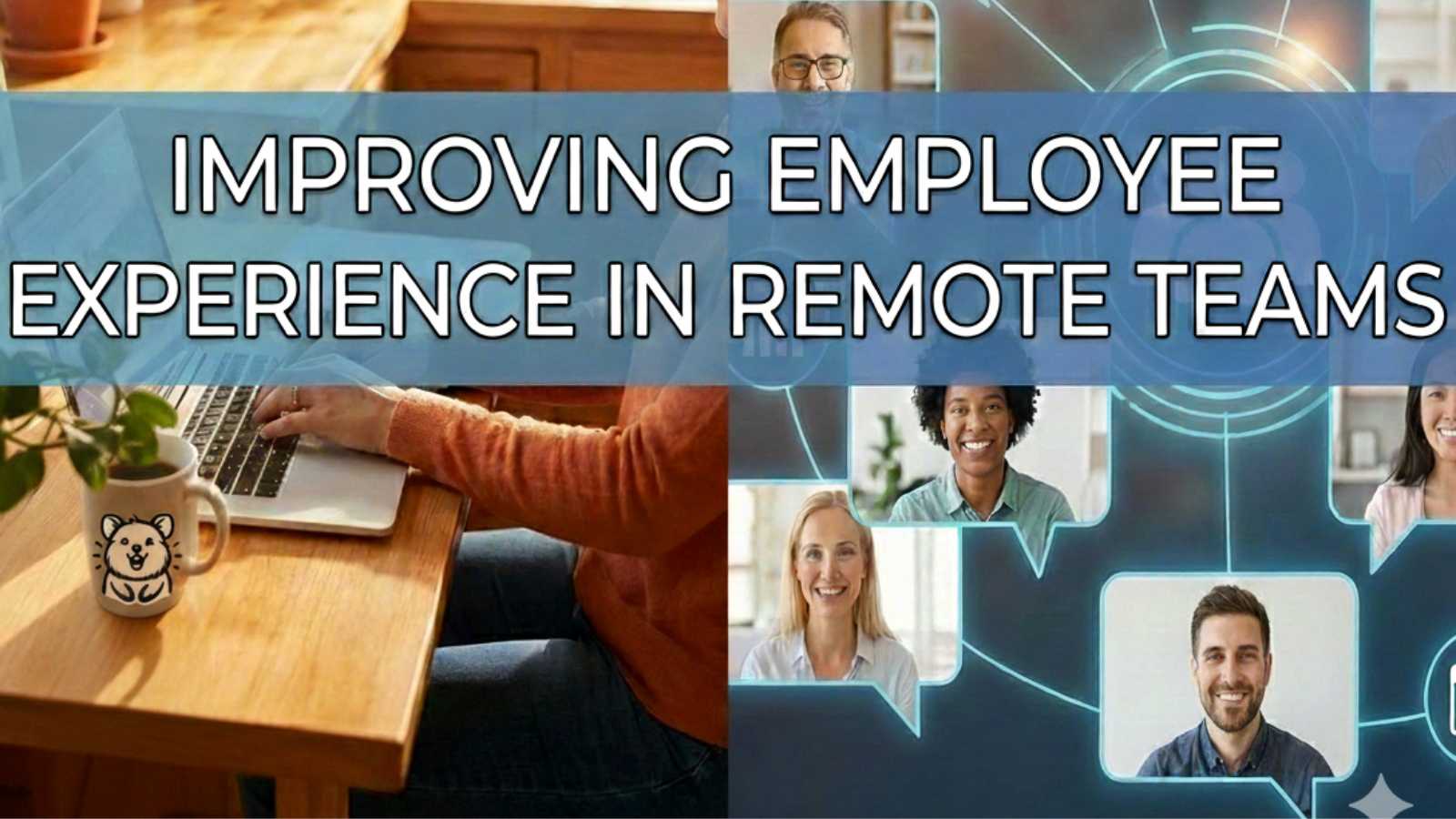
A snapshot of how remote and hybrid work are redefining employee experience and the strategies leaders can use to keep teams connected, motivated, and thriving from anywhere.

Leadership is the single biggest driver of employee engagement — yet most businesses treat it as an HR problem. This guide breaks down which leadership styles actually work, how to adapt your approach to individual personalities, and the five practices that consistently move the needle on team motivation.